Devon Flower Farm in winter: The February edit of growing seasonal flowers from our garden at Holly Bee Flowers

Hello from our Devon Flower Farm in winter. Gosh what a tough January, and I doubt I’m alone in feeling like that… With uncertainty again for the year ahead, it’s made planning feel like an impossible task. But then I remember why I do what I do; how much pleasure it gives me to grow and work with the land and nurture flowers. With the sun finally making an appearance today, it’s starting to feel OK. And so we move forward, a day at a time.
The pull of different tasks change throughout the year; sustainable, eco-friendly flowers take work and forward planning! I’ve made the mental shift into preparing for this year and whatever it may end up bringing (there will always be flowers).
1.Planting out early flowering sweet peas in the polytunnel
This is always one of my first jobs of the year. Early flowering sweet peas, sown in September and kept in an un-heated greenhouse, are finally planted out where they’ll flower. Tucked up in the polytunnel, they should survive whatever the remains of this winter throws at them (even in Devon it’s tried to snow in the past month). But to make sure they’re extra snug, I mulch around them with straw, pushing this up to the little seedlings if a cold forecast is predicted.

2. Ordering new dahlia tubers
At our Devon flower farm, in the south west, we’re pretty mild. So, I leave my dahlia tubers in place over winter, instead of digging up and storing somewhere frost-free. We have so many now, it saves us lots of work. We mulch them, and then hope for the best! In our experience this works. But we always buy new varieties each year- it’s a pleasure, dahlias are a wonder, and colours change, and tastes evolve.

3. Preparing new growing spaces = MORE FLOWERS
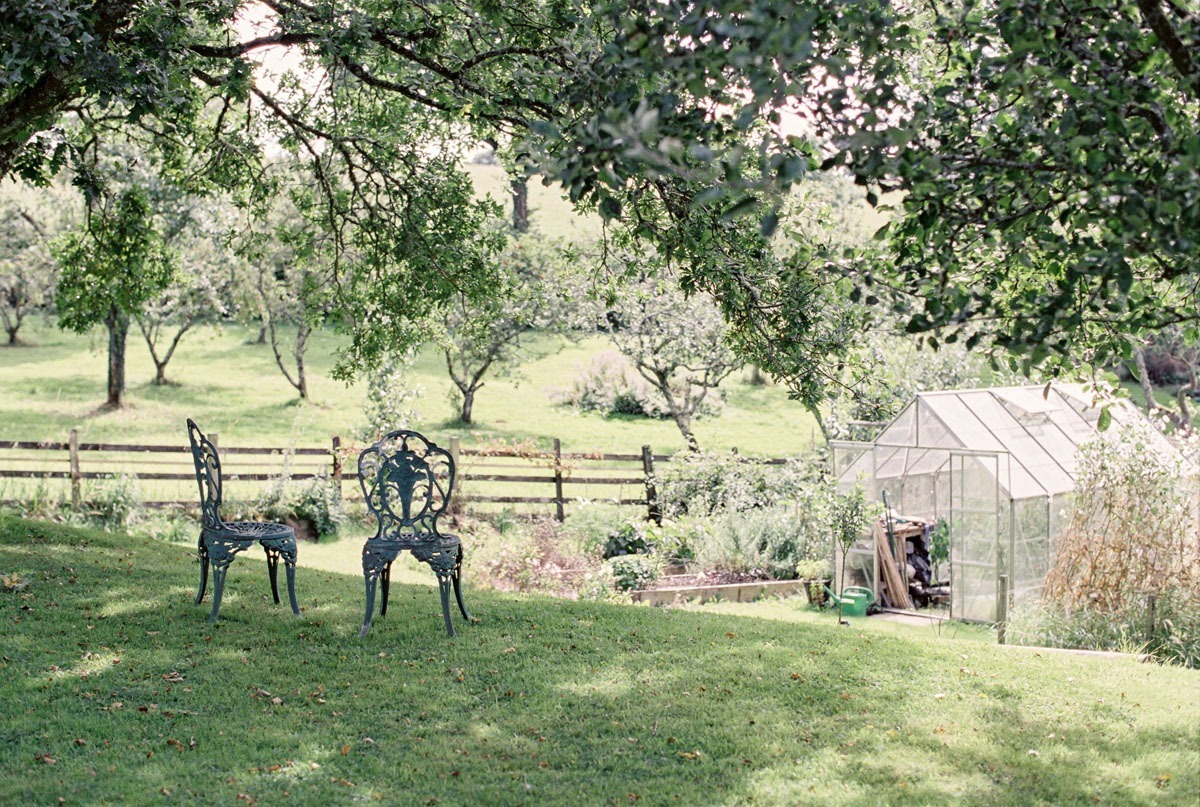
I normally look at a beautiful, and huge, lime tree from my studio window. It fills my view with greenery from spring until autumn, and I loved it. Sadly, in a recent storm it blew down (luckily only taking out a couple of shrubs on its way). This now means that space has opened up, with more light, and no risk of trees falling down. So, a new growing area will get created, using no dig beds of course- that’s how we grow at Holly Bee- yay soil!
4. Sowing new flower seeds
I have to sit on my hands in January- experience has taught me there’s no point rushing seed sowing. The light levels are too low (even with a grow light- you can only fit so much), and if plants aren’t hardy, I quickly run out of space. I get healthier plants if I just wait and start seed sowing in February instead. Also, we don’t grow on endless space, so I’m selective about what I grow- flowers yes, but unusual and beautiful varieties.
5. Planting out a second batch of ranunculus
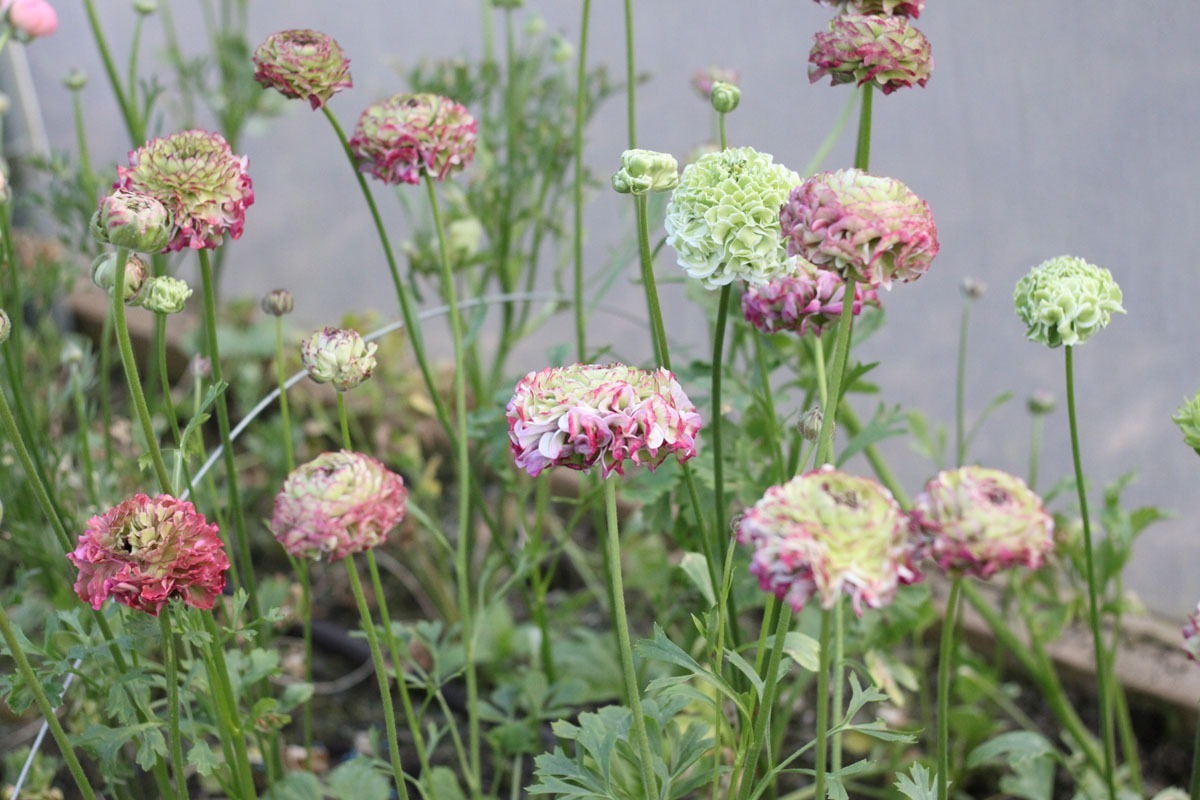
Every year I grow ranunculus, with mixed success. I know the majority of growers in the UK get wonderful flowers by starting them off in the autumn and growing undercover over winter. We have a polytunnel and should be able to do this, but it never works that well. I do a few, but my main crop starts now- so they are pre-sprouting in the greenhouse as I write. Then I plant them outside- they seem to do better with more air and ventilation. If bad weather (cold) is forecast, then I fleece the bed, to protect them. This means I get ranunculus about at the end of April, into may, but this works for me.
And my goodness, they are such a beautiful flower. I have 5 new varieties I’m trying this year and can’t wait to see them when they finally bloom!
Although this year feels so uncertain for various reasons, the grounding effect of working with nature is always nurturing, and I feel hopeful about what this year might bring; what we grow on our Devon flower farm, and what we can share, in whatever guise that ends up taking. There are things to look forward to! Holly x