• instagram
    • facebook
    • pinterest
    • Home
    • Weddings
    • Workshops
    • About our flowers
    • Other services
      • Local deliveries
      • Funeral flowers
    • Contact
    • instagram
    • facebook
    • pinterest
    • Home
    • Weddings
    • Workshops
    • About our flowers
    • Other services
      • Local deliveries
      • Funeral flowers
    • Contact
    • instagram
       
    • facebook
       
    • pinterest
       
    • –
    • –
    • –

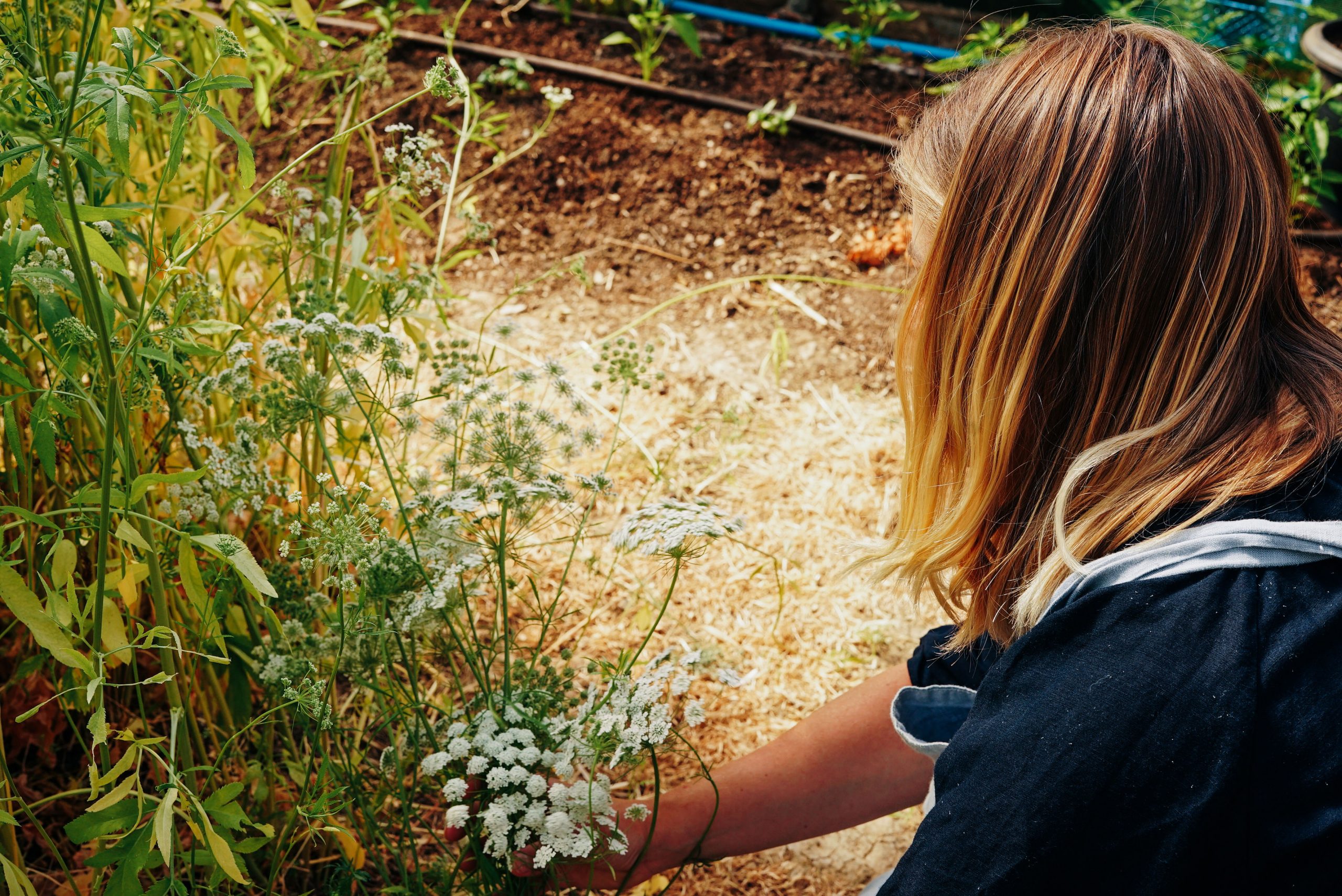
    Seasonal Flowers spotlight series- The Anemone- 5 easy steps to grow beautiful anemone flowers.

    12th February 2021 By Holly Bee

    Seasonal Flowers Spotlight- The Anemone- 5 easy steps to grow beautiful anemone flowers


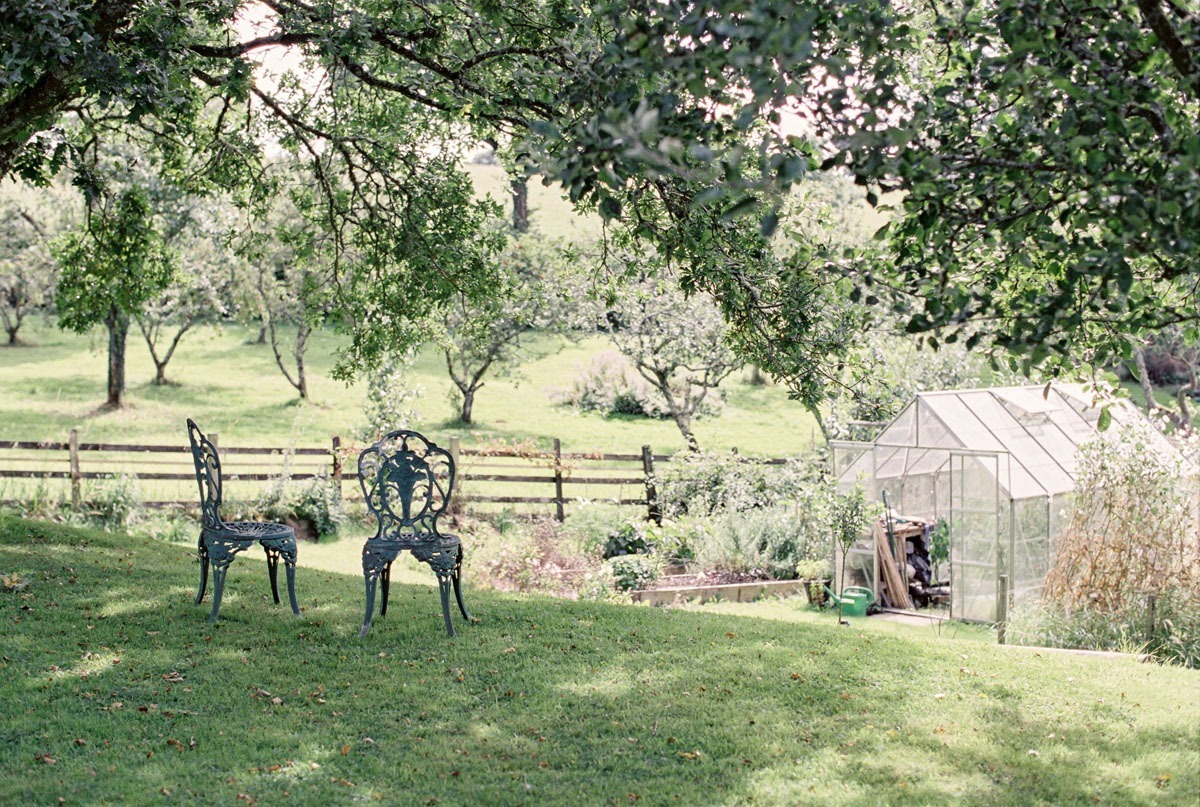
    On our Devon flower farm, it has been trying (and succeeding somewhat) to snow for the past few days. Tucked up inside I thought I’d begin a spotlight series on my favourite seasonal flowers. We grow lots of beautiful, seasonal flowers here at Holly Bee flowers. Based in Devon, we have a pretty mild climate, but with heavy clay soil and lots of rain too (so it’s not plain sailing). If you’d be interested in a more in-depth grow-a-long, shoot me an email. I’d love feedback.

    1.Soak the Anemone corms to wake them up from dormancy

    When you receive your corms, they’ll be dry. When you want to start planting- I start around the end of September into October (as you want to get them in the ground before it freezes up and becomes unworkable)- you need to soak them. This requires you to place the corms in water that’s aerated (so I leave a tap gentle running over the bucket of corms). I also add a few drops of lemon balm oil or tea tree oil. This is mainly just habit, I started as I hoped it was a deterrent for rodents- they love the corms. And now I do it every year. Who knows whether it works or not, but it makes me happy! You need to soak the corms for around 6 hours, changing the water every few hours or so along the way. Trust me all this effort will be worth it.


    2.Pre- Sprout your Anemone corms

    As I mentioned- rodents love anemone, but mostly when they haven’t started growing yet. To give the corms the best possible chance of growing and flowering, and not being munched by a mouse, pre- sprouting is a must. Take your soaked corms and pot them up in dry compost or vermiculite (dry as they’re easy to rot, and they’ll retain a bit of moisture from the soaking, so damp compost isn’t necessary). Place the corms on about 1cm of compost, and cover. I keep mine in an unheated greenhouse, and in a couple of weeks they should have started to grow. You can always check their progress- you’re looking for little white root, then eventually green shots.


    3.Plant out the Anemone Corms

    At Holly Bee flowers we have a polytunnel, and this is where the majority of our anemone flowers grow. However! Don’t panic, in my experience, anemones are remarkably tough, and we also plant a lot outside too- to stagger our flowering period (the outside corms will flower later than the polytunnel ones). And you can leave these in the ground and flower for a few years. Anemones won’t flower year on year on year, but you’ll get a few years of flowering from the same corm. They aren’t too fussy on soil types either, we are on heavy clay and they still flower.


    4. Feeding your Anemone Plants

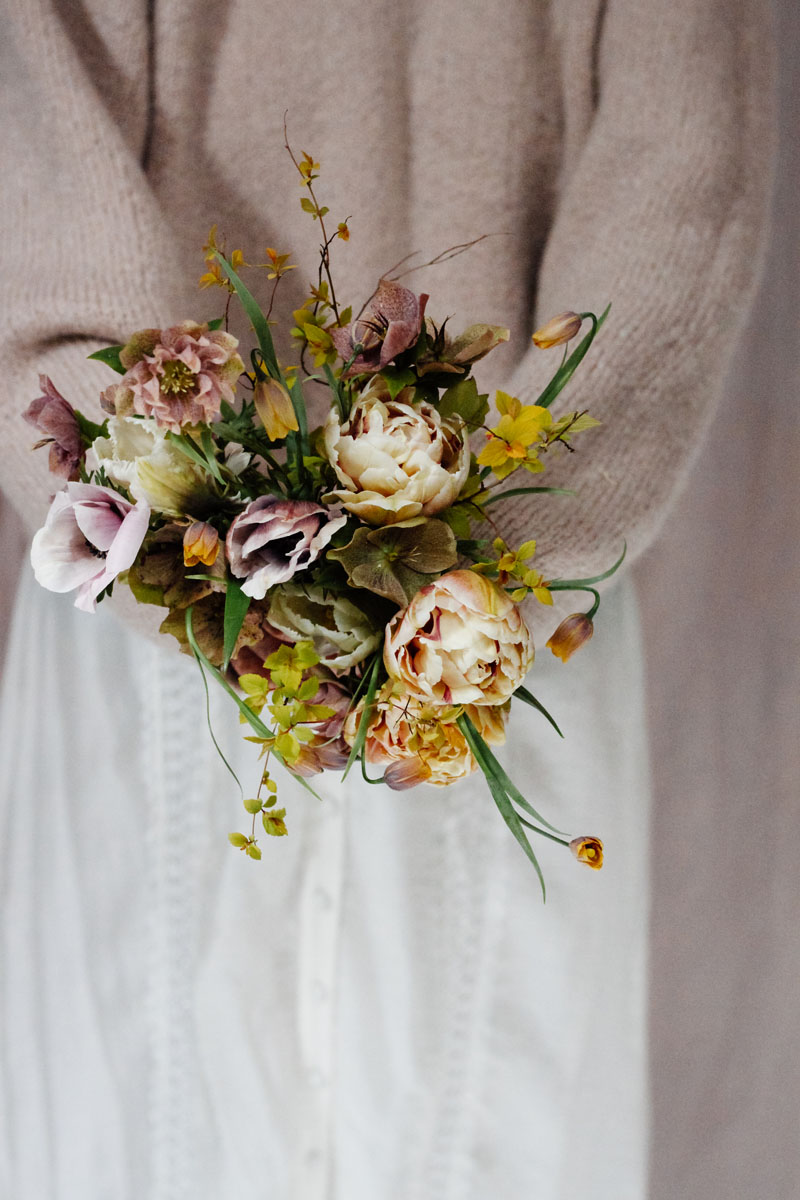
    Once your corms are planted, they will carry on growing. Keep an eye out for mildew and aphids. The best advice I have to combat these problems is to ventilate, and also feed. Anemones are hungry plants, once they’re starting to bud up, feed them to encourage strong growth and repeat flowers. And also, this will give you tough plants- less likely to get aphids. Don’t feed, or water too much when initially planting. Rotting corms is still possible at this stage!
     

    5.Picking your Anemone flowers

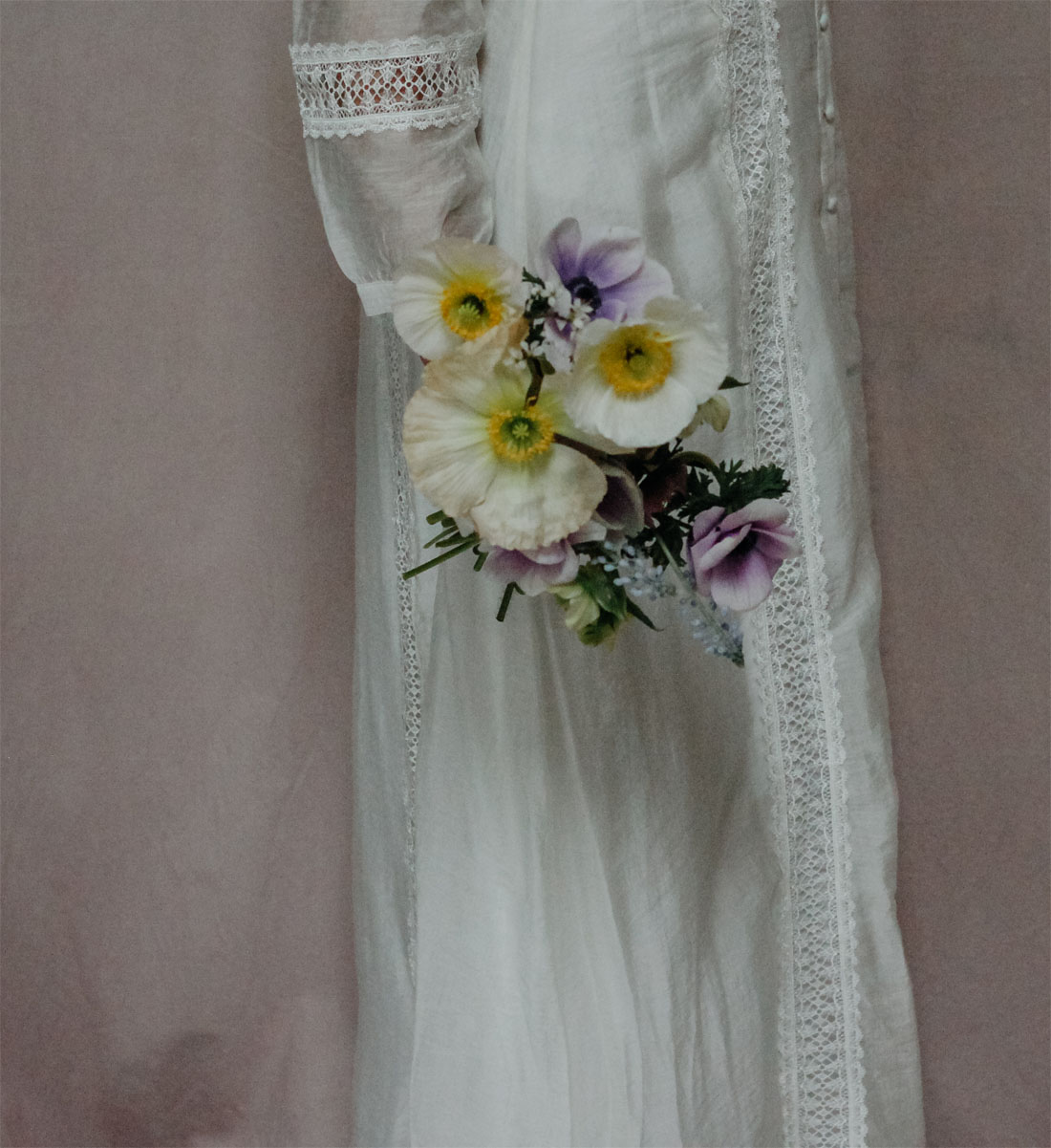
    Finally, flowers! Pick anemones when in bud, place into water, and leave for 6+ hours to have a good drink. Then they’re ready to use and enjoy. Anemone varieties will vary what flowers you get, look for galilee pastel- this is an absolute winner in my opinion. Lots of muted, pastel shades that blend beautifully. I think they’re started to be more easily available in the UK too, so you should be able to find.


    If anyone has any questions, feel free to contact me. After hellbores, these are our first flowers, from about March time. I’d love to know your experience too with growing these too. Holly x


    Filed Under: British Flowers, Flower Farm Devon, Seasonal Flowers

    Devon Flower Farm in winter: The February edit of growing seasonal flowers from our garden at Holly Bee Flowers

    3rd February 2021 By Holly Bee

    Devon Flower Farm in winter: The February edit of growing seasonal flowers from our garden at Holly Bee Flowers


    Devon flower farm diy flowers


    Hello from our Devon Flower Farm in winter. Gosh what a tough January, and I doubt I’m alone in feeling like that… With uncertainty again for the year ahead, it’s made planning feel like an impossible task. But then I remember why I do what I do; how much pleasure it gives me to grow and work with the land and nurture flowers. With the sun finally making an appearance today, it’s starting to feel OK. And so we move forward, a day at a time.

    The pull of different tasks change throughout the year; sustainable, eco-friendly flowers take work and forward planning! I’ve made the mental shift into preparing for this year and whatever it may end up bringing (there will always be flowers).


    1.Planting out early flowering sweet peas in the polytunnel

    This is always one of my first jobs of the year. Early flowering sweet peas, sown in September and kept in an un-heated greenhouse, are finally planted out where they’ll flower. Tucked up in the polytunnel, they should survive whatever the remains of this winter throws at them (even in Devon it’s tried to snow in the past month). But to make sure they’re extra snug, I mulch around them with straw, pushing this up to the little seedlings if a cold forecast is predicted.

    early flowering sweet peas


    2. Ordering new dahlia tubers

    At our Devon flower farm, in the south west, we’re pretty mild. So, I leave my dahlia tubers in place over winter, instead of digging up and storing somewhere frost-free. We have so many now, it saves us lots of work. We mulch them, and then hope for the best! In our experience this works. But we always buy new varieties each year- it’s a pleasure, dahlias are a wonder, and colours change, and tastes evolve.

    new dahlia varieties


    3. Preparing new growing spaces = MORE FLOWERS

    I normally look at a beautiful, and huge, lime tree from my studio window. It fills my view with greenery from spring until autumn, and I loved it. Sadly, in a recent storm it blew down (luckily only taking out a couple of shrubs on its way). This now means that space has opened up, with more light, and no risk of trees falling down. So, a new growing area will get created, using no dig beds of course- that’s how we grow at Holly Bee- yay soil!


    devon flower farm growing space


    4. Sowing new flower seeds

    I have to sit on my hands in January- experience has taught me there’s no point rushing seed sowing. The light levels are too low (even with a grow light- you can only fit so much), and if plants aren’t hardy, I quickly run out of space. I get healthier plants if I just wait and start seed sowing in February instead. Also, we don’t grow on endless space, so I’m selective about what I grow- flowers yes, but unusual and beautiful varieties.


    new flowers to grow


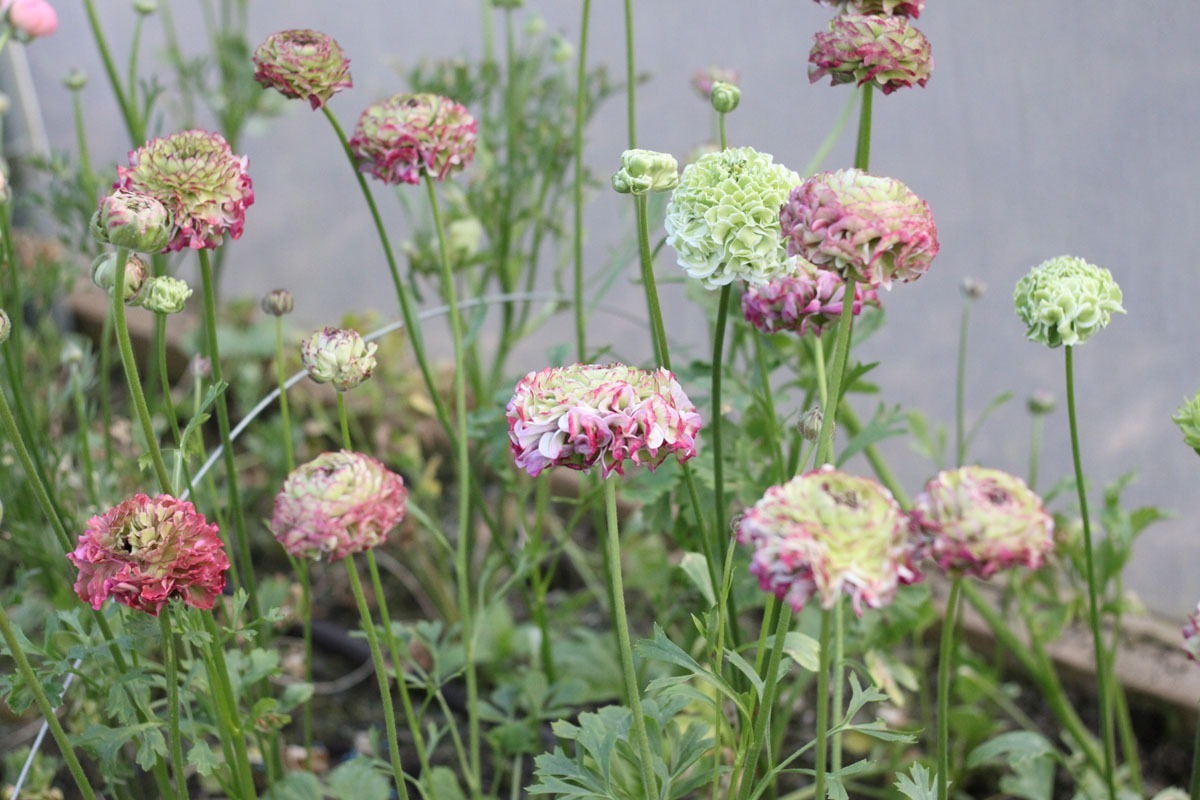
    5. Planting out a second batch of ranunculus

    Every year I grow ranunculus, with mixed success. I know the majority of growers in the UK get wonderful flowers by starting them off in the autumn and growing undercover over winter. We have a polytunnel and should be able to do this, but it never works that well. I do a few, but my main crop starts now- so they are pre-sprouting in the greenhouse as I write. Then I plant them outside- they seem to do better with more air and ventilation. If bad weather (cold) is forecast, then I fleece the bed, to protect them. This means I get ranunculus about at the end of April, into may, but this works for me.

    And my goodness, they are such a beautiful flower. I have 5 new varieties I’m trying this year and can’t wait to see them when they finally bloom!

    ranunculus planted later


    Although this year feels so uncertain for various reasons, the grounding effect of working with nature is always nurturing, and I feel hopeful about what this year might bring; what we grow on our Devon flower farm, and what we can share, in whatever guise that ends up taking. There are things to look forward to! Holly x

    Filed Under: British Flowers, Devon Wedding Florist, DIY Wedding Flowers, Eco Wedding Flowers, Flower Farm Devon, Seasonal Flowers

    Seasonal Flowers- August Update

    8th August 2020 By Holly Bee

    Seasonal Flowers- August Update

    Writing this on a sweltering hot and thundery day, in the Devon countryside. The air feels almost sticky. Between gulping down water, we’re getting on with flower farming life, and even did wedding flowers for an intimate Devon ceremony last week- which was so, so lovely.

    But today I thought I’d give you a quick garden update. Sort of like a rundown of what’s catching my eye (and my heart, I still get such a buzz of excitement from seeing new varieties of seedlings growing, developing and then flowering). Seasonal flowers has always been our ethos, both from a sustainability standpoint and from a creative one too; to grow the unusual, the beautiful and the fleeting. Whether that’s for natural wedding flowers, local bouquet deliveries here in Devon, or for workshops. Every year it changes, always evolving, learning and adding to our experience.

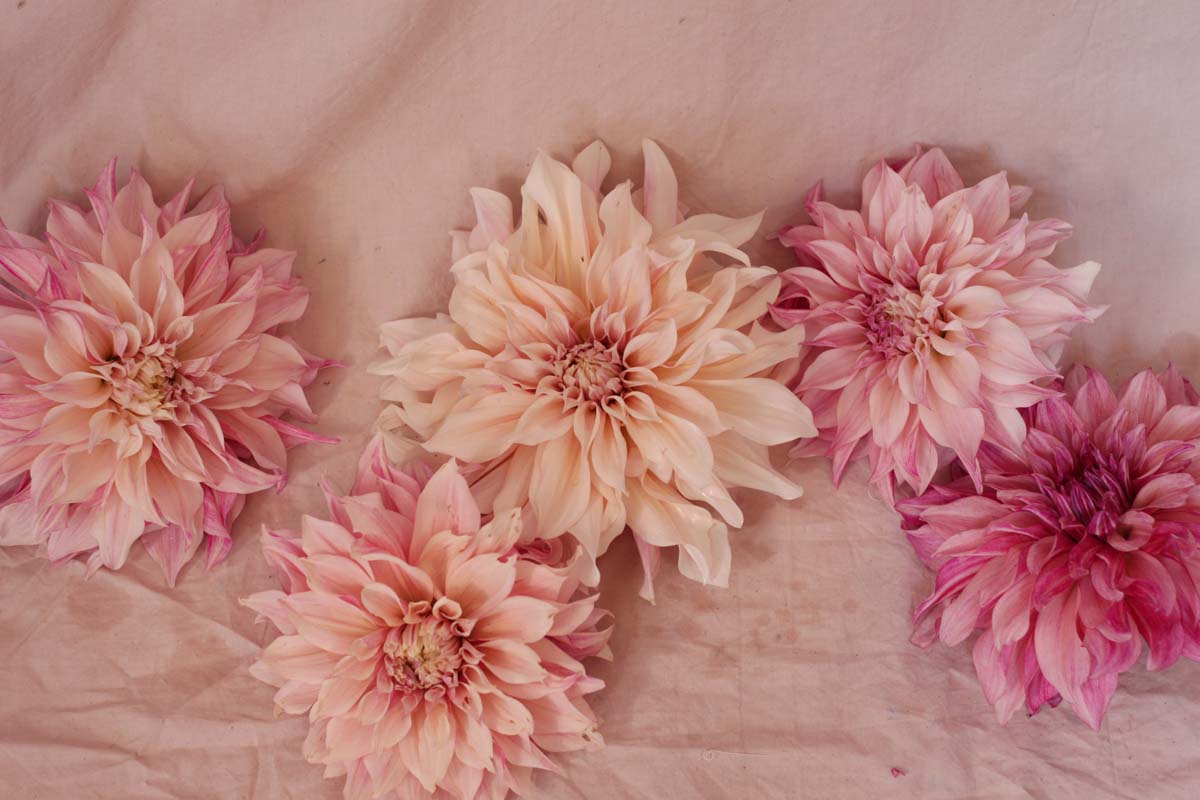
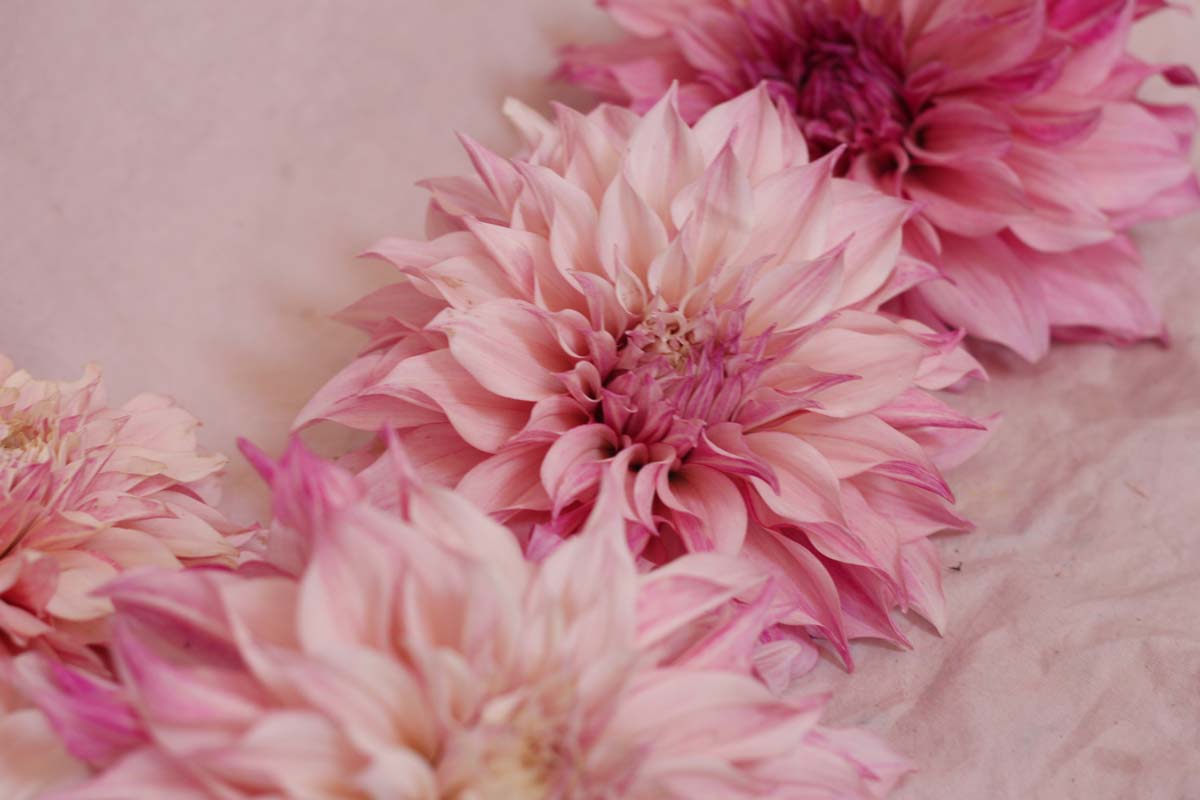
    Anyway, first up! Cafe au Lait dahlias- not new, but always a favourite. I think it’s the blush colour, and the way it blends so beautifully. Adding to the fold this year is Cafe au Lait Royal- bringing some more pinker darker tones, which I adore.


    Dahlia ‘Cafe au Lait’

    Dahlias ‘Cafe au Lait’ and ‘Cafe Royal’

    Dahlia ‘Cafe Royal’


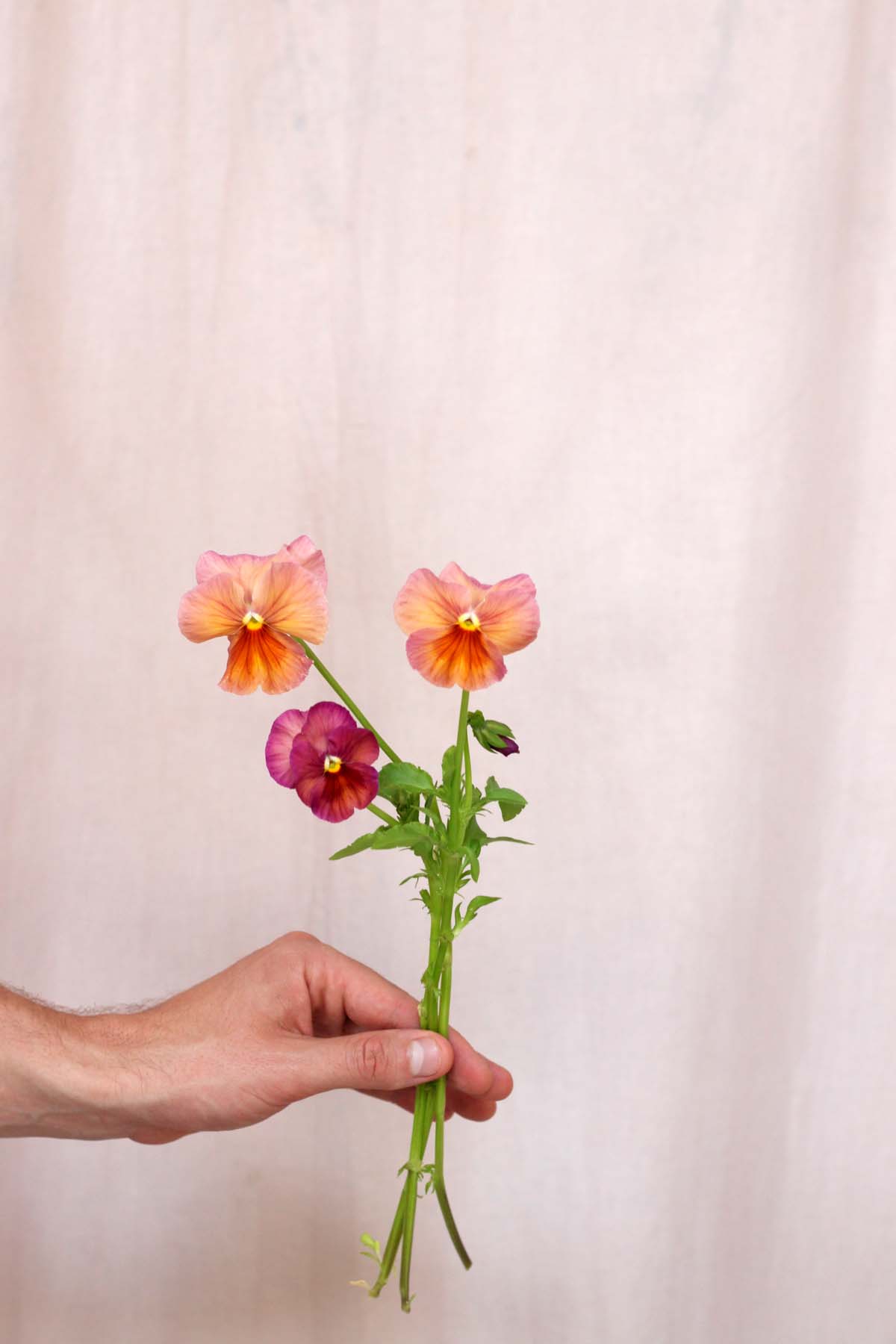
    Next violas and panseys- these have been flowering since March, but have FINALLY got some stem length to shout about. Look at the antique colours, and the vase life is just brilliant. Will be planting lots more next year for sure.


    Violas with stem length!

    Viola bouqet


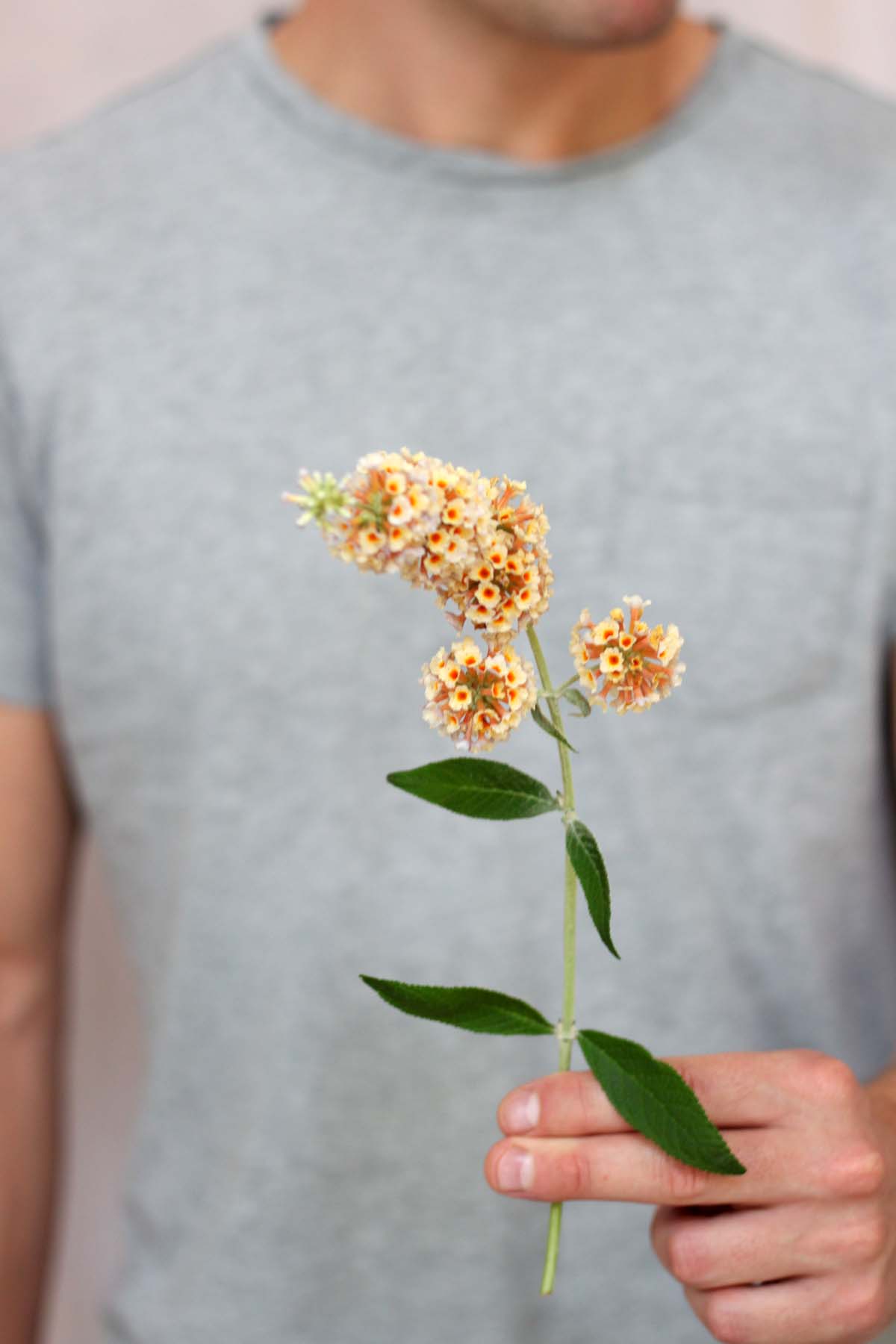
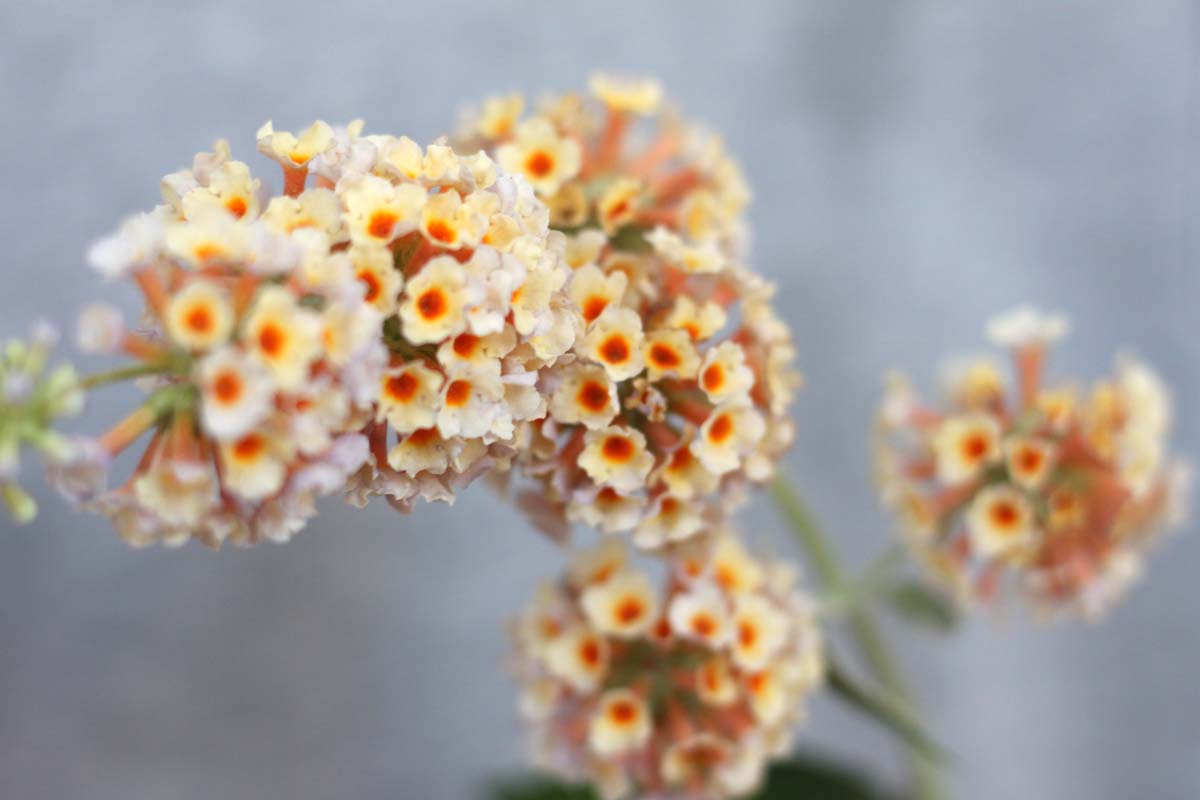
    We’ve also got this amazing buddleia at the moment (with a lost label- remembering plant varieties has never been my strong point).


    Buddleja


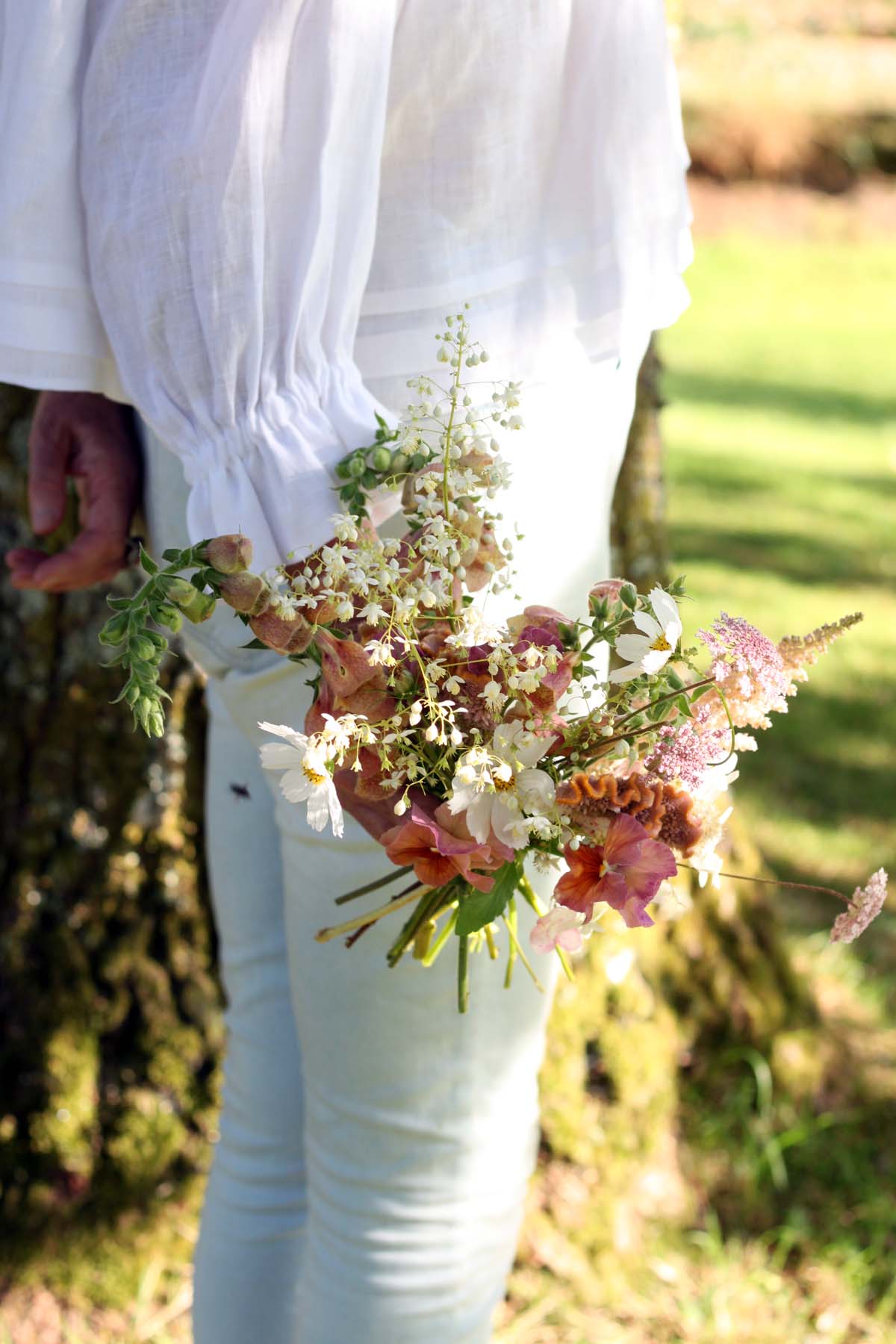
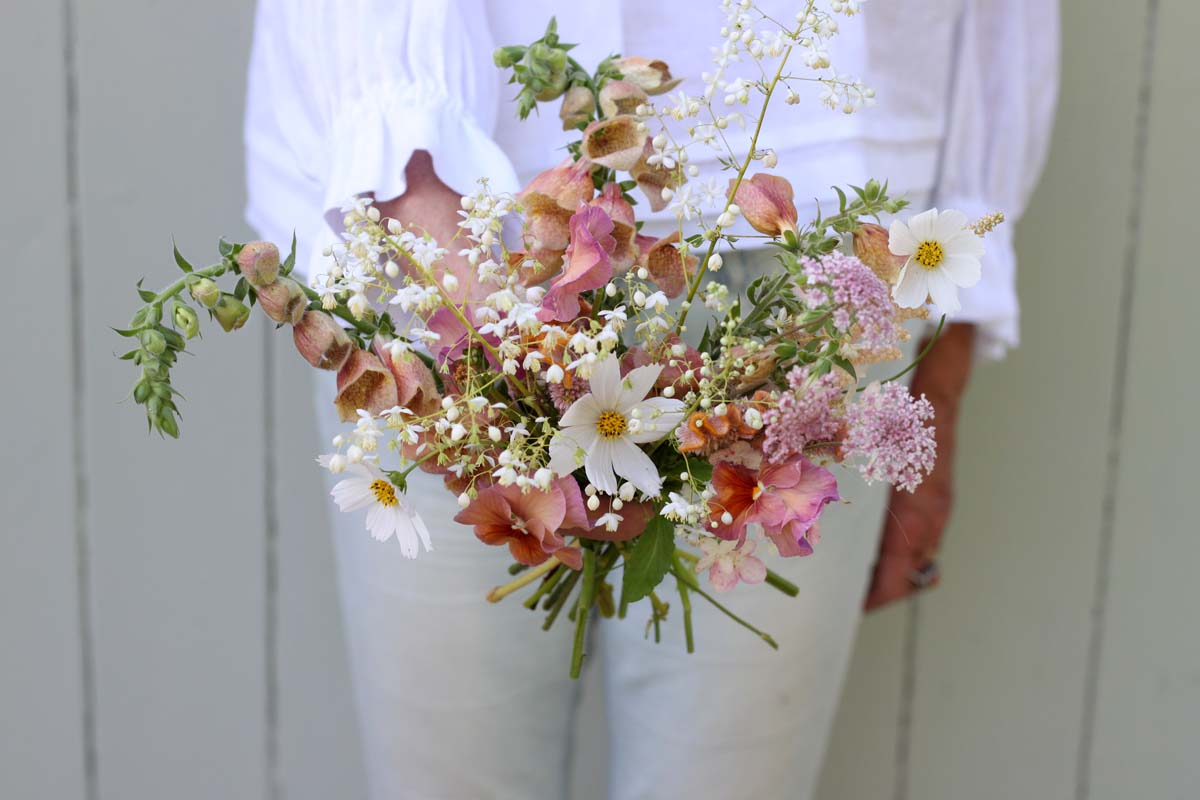
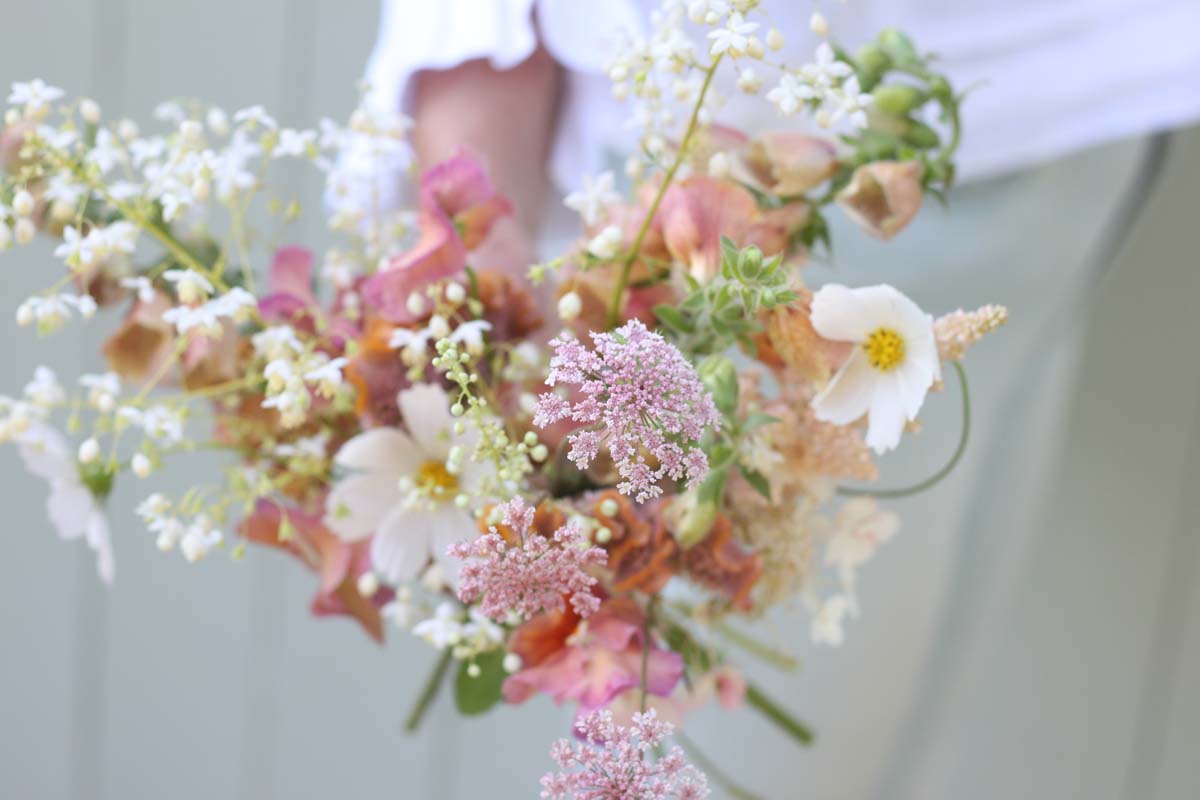
    So that’s my top seasonal flowers currently, I’ll try and do a dahlia run down soon- they’re just coming into their own and stealing the show. But it’s a great time of year, and look at what they make when put together; bouquets like this… full of antique coloured violas and tiny wild carrot flowers.

    British flowers at their best.


    Seasonal Bridal bouquet, full of violas, cosmos, wild carrot and tonal foxgloves.

    Filed Under: Seasonal Flowers

    The Start of 2020 Weddings

    30th July 2020 By Holly Bee

    The Start of 2020 Weddings

    Hello, from a little flower garden in Devon. I’ve just picked flowers for my first 2020 wedding, and I can’t begin to explain the bliss in that process. So much happiness in a simple task, that perhaps before I’ve taken slightly for granted (or at least gotten very used to).

    Everything has gone out the window with the plans we had for this year, but it feels like now we’ve dusted down, and are finding our feet again. Through the past few months we’ve been given time to think, process and make plans. Part of that is how I run Holly Bee and what I want for the future… So changes will happen, nothing drastic just shifts in the directions I want (but all good things).

    Anyway, wedding flowers! With the changes announced last week, smaller weddings are starting to take place again, and our garden is full of wonderful flowers, and we’re available for your floristry needs! Seasonal, beautiful flowers grown here in Devon. Get in touch with any requirements you have. Also we’re still doing local bouquet deliveries around Dartington/ Totnes and the local area HMU for flowery goodness…

    Filed Under: Uncategorised Tagged With: artisan flower farmer, devon florist, devon flowers, devon wedding, devon wedding florist, married in 2020, natural flowers, wedding flowers

    • « Previous Page
    • 1
    • 2
    • 3
    • 4
    • …
    • 8
    • Next Page »

    Get in touch


    PHONE:

    07811 375 515

    EMAIL:

    holly@hollybeeflowers.co.uk


    Holly Bee Flowers. All Rights Reserved ©

    Privacy policy